
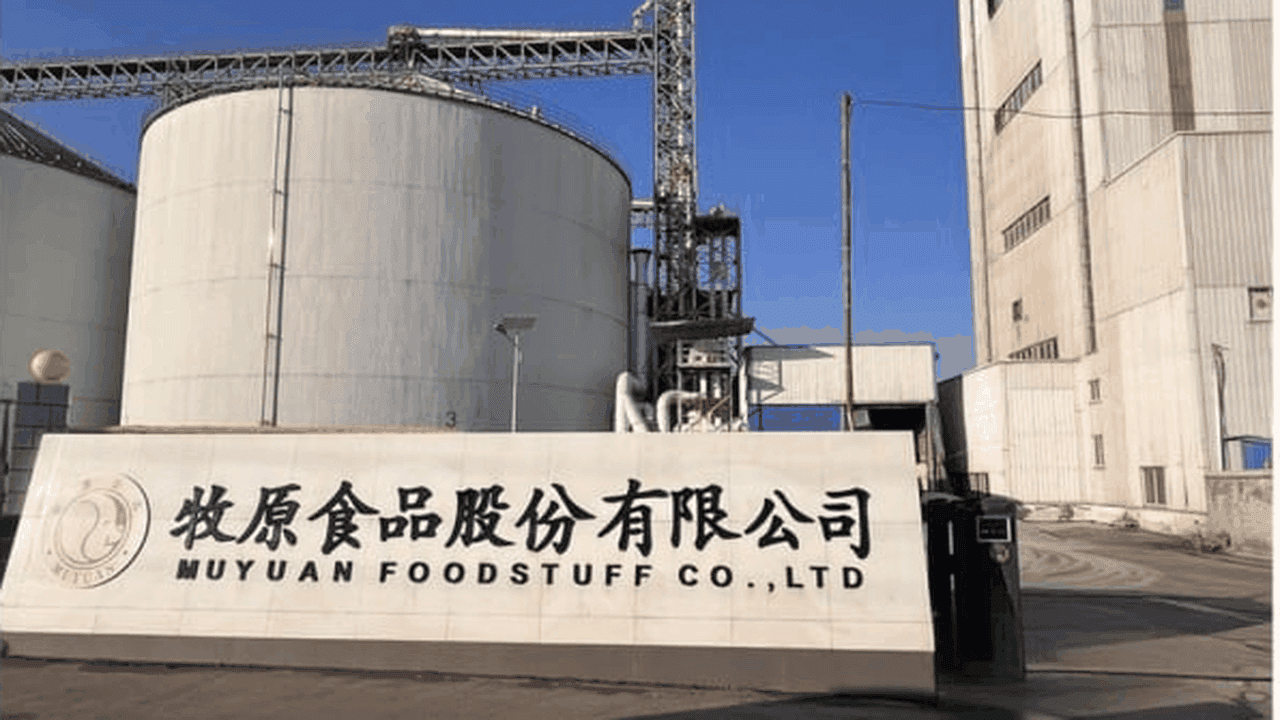
Muyuan Group
Pig farming and pork company.
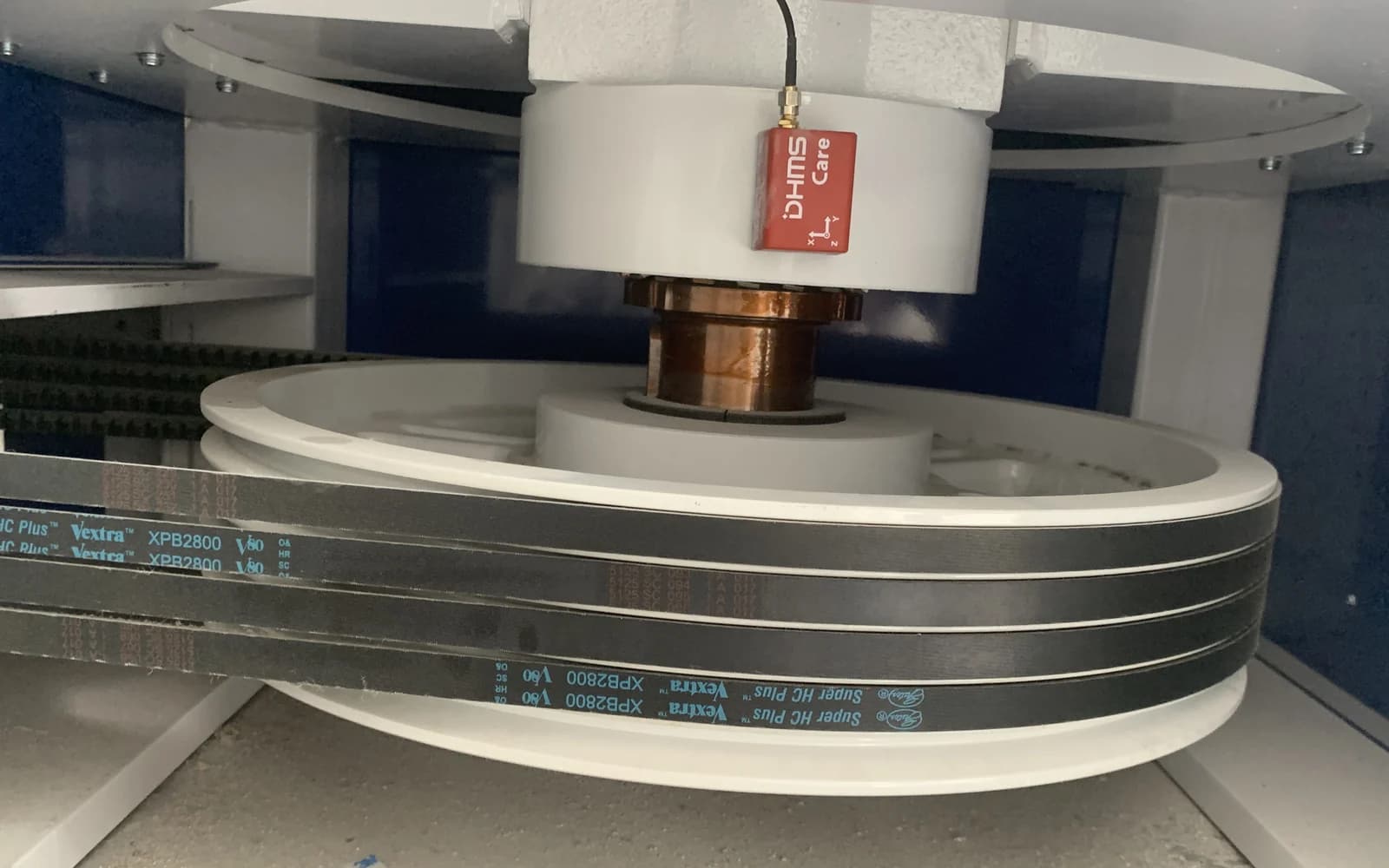
DHMSCare monitors the hammer mills and pellet mills in its feed production.
- 30–40%Less unplanned downtime
- 20–30%Lower maintenance costs
- 15–20%Longer machine life
About the customer
Muyuan Foodstuff Co., Ltd. is a well-known pig farming and pork company in China. It runs a complete chain that covers feed processing, pig breeding, breeding-stock multiplication, commercial pig raising, slaughtering and meat processing. It is known for raising all its own pigs at large scale in one integrated system, and it is a "National Key Leading Enterprise in Agricultural Industrialization" in China.
The challenge
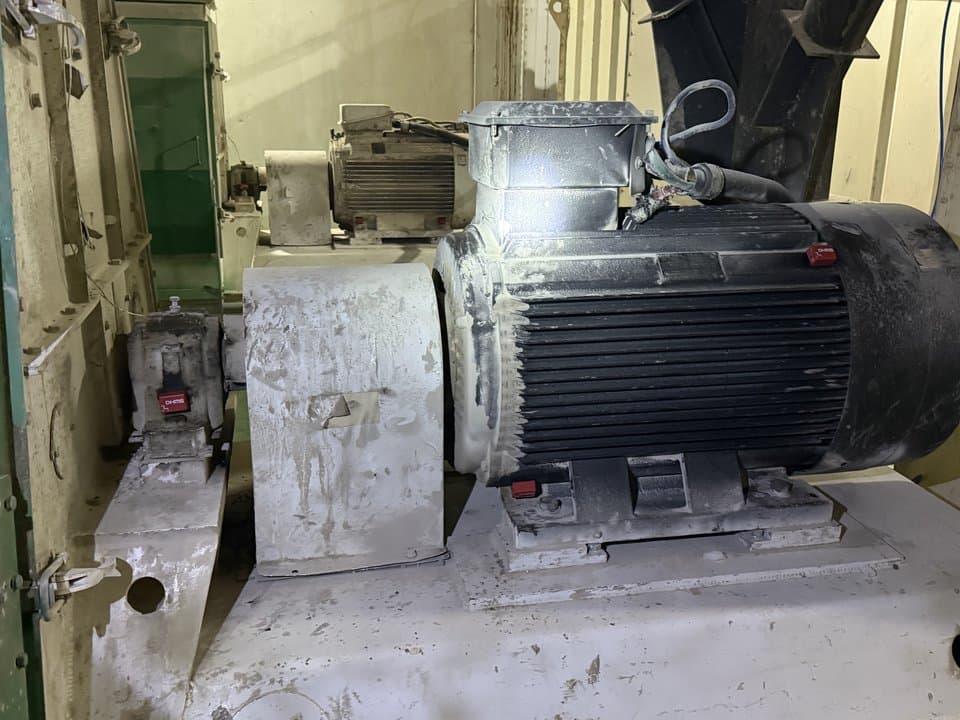
Hammer mill: It grinds raw materials to a standard particle size, so the feed digests better and pellets better. It must run smoothly: a change in vibration often signals a part that is wearing out. Bearing and material temperatures must also stay under control, to prevent overheating damage and the loss of feed nutrients.
Pellet mill: It presses the ground feed into pellets with rollers, which improves feed quality and use. It must run smoothly, because excessive vibration damages the ring die, the perforated steel ring the feed is pressed through, and the bearings. The key step is steam conditioning and frictional heat: the temperature must stay at 80–90 °C so the starch cooks fully and the pellets come out firm without losing nutrients.
Unplanned stops are very costly
One unexpected machine failure can stop a whole feed line and cut the feed supply to the many farms it serves. The delays and losses are far larger than at a typical plant.
High maintenance cost, hard-to-plan resources
Thousands of similar machines run at the same time, so wear parts such as hammers and ring dies need replacing in very large numbers. Purchasing costs are high, and planning the staff, spare parts and site visits for maintenance is complex and hard to keep efficient.
Scattered data, no early warning across sites
Running data from each farm's machines, such as current, temperature and vibration, sits in separate systems and is hard to analyse together. The team cannot see machine health in time, so performance analysis and predictive maintenance are hard, and decisions come late.
Monitored equipment and installation
Value
Fewer unplanned stops
Continuous monitoring catches early signs of faults such as bearing wear and rotor imbalance and warns the team in advance, so the feed line keeps running.
Lower maintenance cost
Maintenance moves from fixed, often excessive schedules to work done when a machine needs it. This cuts needless spending and stops small faults from growing into major repairs.
Longer machine life
Watching key readings such as vibration and temperature helps keep machines in healthy operating conditions, which slows the wear of core parts and extends their service life.
Maintenance at the right time
Vibration and temperature trends show how each mill is changing, so the team services it at the right time: not too early, not too late.
Products and deployment
- Software ProductDHMSCare - AI Care Version
- Terminal ProductDHMSCare wireless vibration and temperature sensors and smart gateways
- Monitoring scopeHammer mills, pellet mills, mixers and scraper conveyors
Related case studies
Explore plans and packages, or start with a trial.