
Predictive maintenance for automotive and component plants
How can an automotive plant stop conveyor and press failures from halting the line?
DHMSCare monitors chain lifts, belt conveyors, injection molding machines, stamping lines, press drive motors and industrial motors with wireless vibration and temperature sensors.
A typical production line needs about 35–60 sensors connected through DMG310 gateways.
Its industrial AI agent names the failing component and tells your team what to do before the line stops.
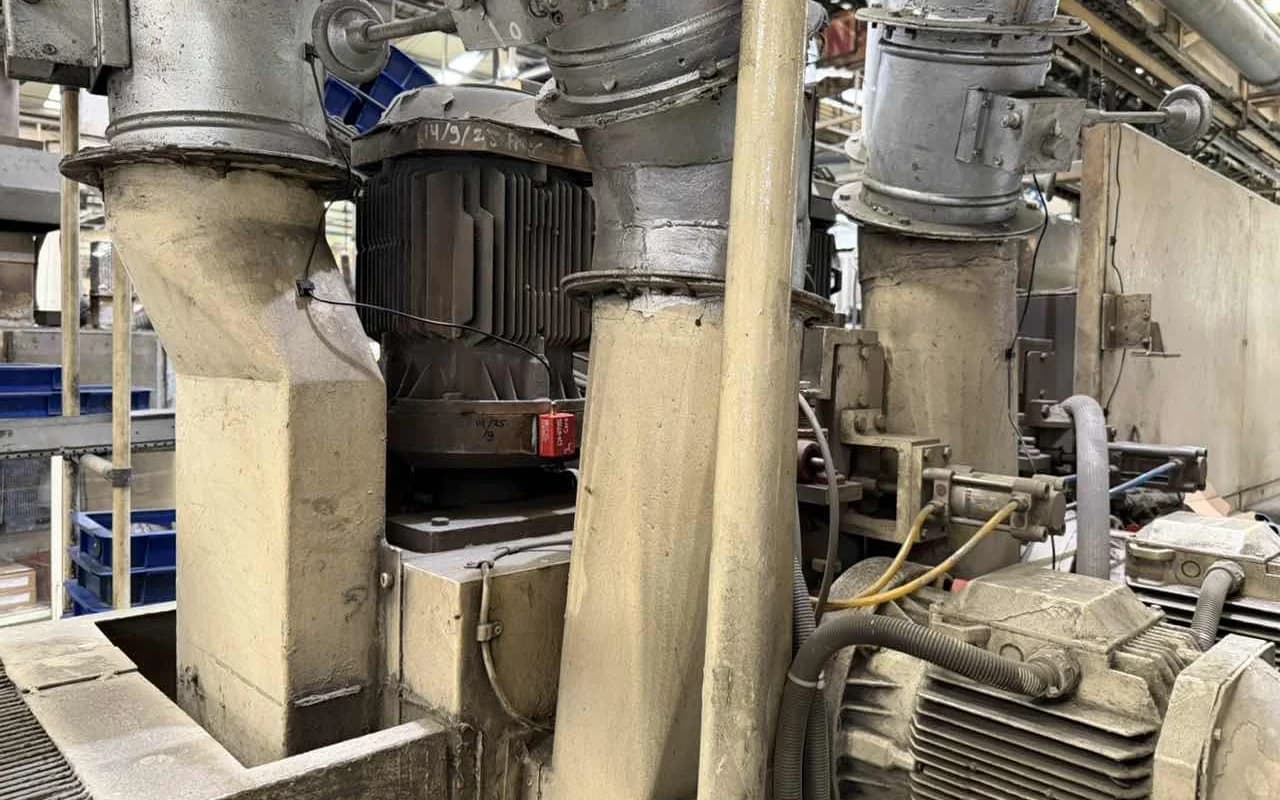
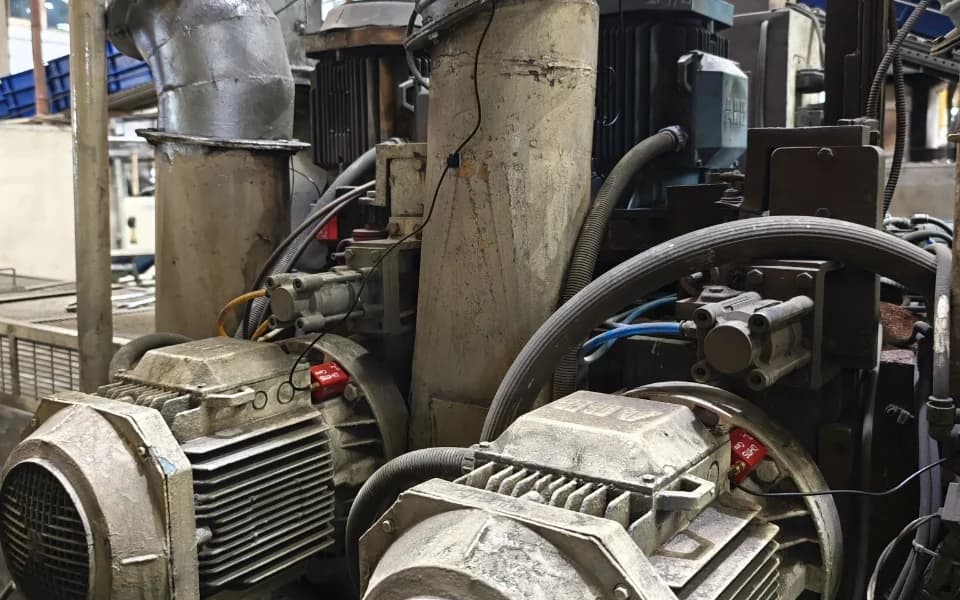
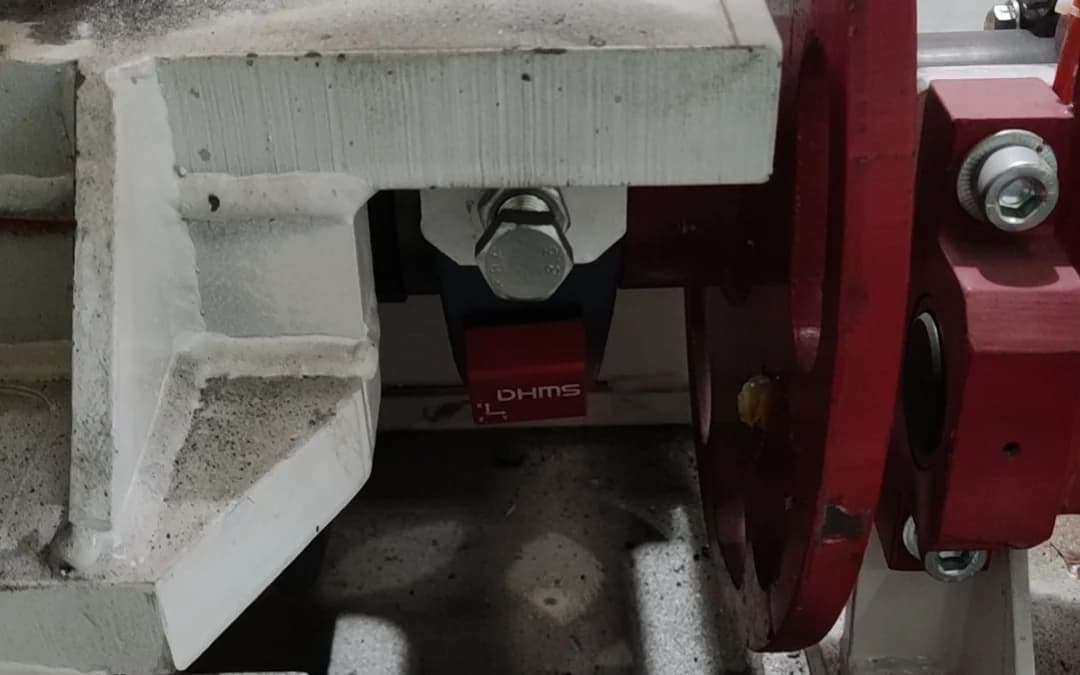
Industry challenges
A failed assembly-line conveyor halts the whole line. A failure on an injection molding machine or stamping line breaks the supply chain and delays deliveries.
Conveyors and industrial motors are spread across the plant. Overseas plants rarely have enough maintenance staff to inspect them all on a routine schedule.
Bearing wear and gear damage on rotating equipment show no visible signs at first. Often the first symptom is a batch of scrapped parts.
Chain, sprocket and bearing wear on chain lifts grows gradually while the machine runs. Manual inspection can only confirm it by stopping and dismantling the machine.
Quantifiable value
Monitoring solution
DHMSCare places sensors on the motors, gearboxes and bearing seats of chain lifts, conveyors, injection molding machines, stamping lines, press drive motors and pumps.
The sensors are bonded on without modifying the machines, and each one is bound to its measuring point in the app with a tap.
From the day of installation, DHMSCare manages every motor’s health in one place and gives verdicts with no months-long learning period.
Platform
DHMSCare uses AI to identify early fault signs such as gear wear and bearing anomalies, assess equipment health and provide maintenance recommendations.
Recommended measuring points and plan
What a typical production line needs, so you can see the whole plan before we talk.
| Asset | Suggested sensors | Measuring points (bearing seats) |
|---|---|---|
| Injection molding machine | 5 | Motor DE and NDE, plus 3 on the hydraulic pump and screw-drive bearing seats |
| Drive motor | 3 | Front and rear drive-motor bearings, plus the drive motor |
| Industrial motor | 2 per unit | Drive end (DE) and non-drive end (NDE) |
| Chain lift / belt conveyor | 6 | Drive motor DE and NDE, gearbox input and output, head and tail sprocket or pulley bearings |
| Stamping line | 4 | Main drive motor DE and NDE, plus the flywheel and crankshaft bearing seats |
| Gateway | DMG310 | DMG311 (4G) where there is no Wi-Fi |
| Per production line | approx. 35–60 |
Actual quantities are confirmed on site
AI Care
The first plan with AI fault diagnostics, the AI that finds the gear wear and bearing anomalies behind these results.
Choose AI Care Plus for unlimited automatic diagnostics, remaining-life forecasts with Mina Ultra and 24 months data retention.
Smaller teams can start on Care: AI condition monitoring and daily reports with 10 user accounts, then move to AI Care when you need AI fault diagnostics.
Start with one line
The smallest sensible start, then grow line by line or roll out plant-wide.
Watch the machines you can least afford to stop.
You learn about faults days ahead.
All your lines, all sites, on one dashboard.
Tailored to your project's requirements.
Runs on your own servers or private cloud.
Contracted and delivered as a project.
Can DHMSCare monitor stamping presses, hydraulic units and compressors in an auto parts plant?
Yes. DHMSCare can monitor the motors, hydraulic pump units and compressors in auto parts plants; on stamping presses it watches the rotating drive, such as the main motor and its bearings, not the stamping process. DHMSCare monitors industrial motors of all sizes at an automotive components maker and a tire maker, and hydraulic pressing equipment and drive motors at an aluminium plant. Place the sensor on the hydraulic unit’s motor-pump or a motor mounted off the frame; for slow press shafts, tell us the shaft speed and we confirm the right sensor first, and a servo press needs a site check first. Hydraulic units cycle between loaded and unloaded; a new change is still reported even when the process may have caused it, so your team can check whether the process or the machine has changed.
Is it a fit?
Is DHMSCare designed for CNC machine-tool monitoring?
No. DHMSCare is not a CNC machine-tool monitoring system; it monitors the health of rotating equipment such as motors, gearboxes, pumps, fans and compressors, and does not monitor the cutting process. DHMSCare is an equipment health platform for rotating equipment, covering the sensors, alerts, AI diagnosis and recommended actions in one system.
Questions
We are a small or mid-sized company. Is this for us?
Yes. Start with one line and one gateway, subscribe per sensor per year, and begin on AI Care; Care if you only need condition monitoring.
How long does a one-line pilot take?
Installation follows the seven steps in our quick installation guide: create the equipment, mount the gateway, attach the sensors and bind the measuring points. We agree the pilot period with you by line size.
We have no vibration engineer. Can we still use it?
Yes. The AI identifies early fault signs, assesses equipment health and gives maintenance recommendations, and Mina tells you which machine to handle first and why.
Which equipment should an automotive plant monitor first?
Start with the machines whose failure stops the line: chain lifts, assembly-line conveyors, injection molding machines, stamping lines, press drive motors and pumps. Then extend to the industrial motors across the plant, at two sensors each.
How many sensors does an automotive production line need?
About 35–60 per line. That is 5 per injection molding machine, 3 per drive motor and 2 per industrial motor, connected through DMG310 gateways.
Which faults does DHMSCare find on rotating equipment?
DHMSCare detects bearing damage, rotor-bar breakage, insulation degradation and gear wear. For each fault it gives the maintenance team a predictive maintenance recommendation.
Tell us the line and its critical assets; we size the sensors and the plan with you.