
The Coca-Cola Company
Engaged in the research, production, and global distribution of carbonated beverages and others
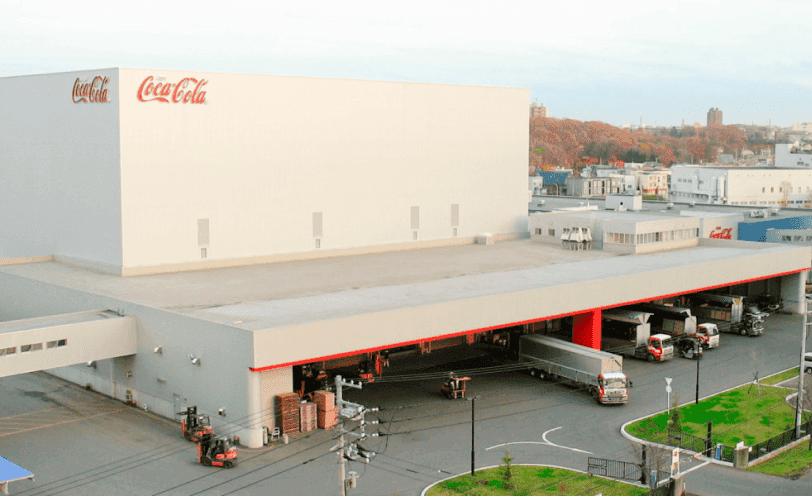
- 68%Less unplanned downtime
- 1,200hMore running time per line per year
- 97%Preventive-maintenance completion
About the customer
The Coca-Cola Company is a U.S.-based multinational corporation, founded in 1892. The company produces, markets, and sells soft drinks, including Coca-Cola, other non-alcoholic beverage concentrates and syrups, as well as alcoholic beverages. Its stock is listed on the New York Stock Exchange and is part of the Dow Jones Industrial Average, S&P 500, and S&P 100 indices.
The challenge
Coca-Cola is a global leader in beverage production, with production lines covering ingredient mixing, CO₂ filling, bottling, capping, labeling, conveying, case packing, and other high-speed continuous operations. Each production line can produce hundreds of thousands of bottles per day, with timing accuracy measured in milliseconds.
Core equipment includes filling machines (ensuring stable filling volume and pressure), capping machines (ensuring seal integrity and leak prevention), labeling machines (ensuring precise label positioning), conveyors (for high-speed bottle transfer), and air compressors (providing stable air supply for pneumatic components and control systems).
These machines operate continuously at high speeds and high loads, requiring extremely high production continuity, product consistency, and food safety.
Any failure in a critical machine can cause a complete line stoppage and may result in large batches of finished products being scrapped. Previously, Coca-Cola relied on fixed-cycle inspections and manual checks to maintain equipment conditions, but this approach had long intervals, limited inspection coverage, and strong dependence on operator experience, making it difficult to detect early equipment risks.
Unplanned Downtime Causes Production Losses and Delays
Beverage production lines include mixing systems, filling machines, cappers, labelers, conveyors, and blow-molding machines. These stages are tightly interconnected, and a failure in any core machine causes a full-line shutdown. During peak seasons, a single stoppage may delay hundreds of thousands of bottles. During unexpected downtime, CO₂ pressure and temperature inside beverages become unstable, potentially causing quality fluctuations and waste.
Extremely High Requirements for Food Safety and Product Consistency
Carbonated beverage filling volume, pressure, cap sealing integrity, and temperature curves all follow strict standards. Minor faults in filling heads or capping mechanisms can cause poor sealing, leakage, or insufficient pressure, affecting shelf life and taste, with quality issues often discovered only after mass production, leading to batch rejection or recall.
High-Speed Production Lines Require Rapid Maintenance Response
Beverage filling lines can run at over 1,000 bottles per minute, meaning even a delay of several minutes can result in significant losses. Restarting after a shutdown requires retuning, and the recovery process may generate additional defective products.
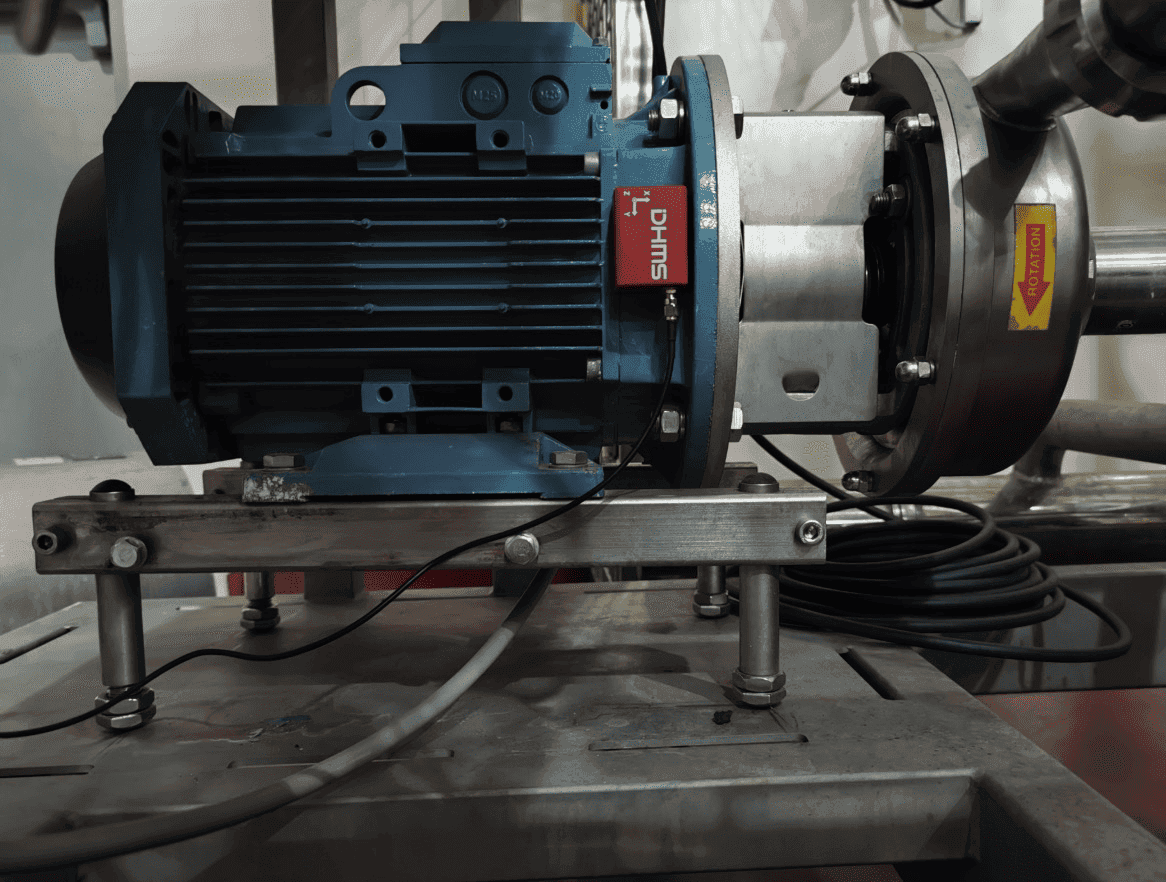
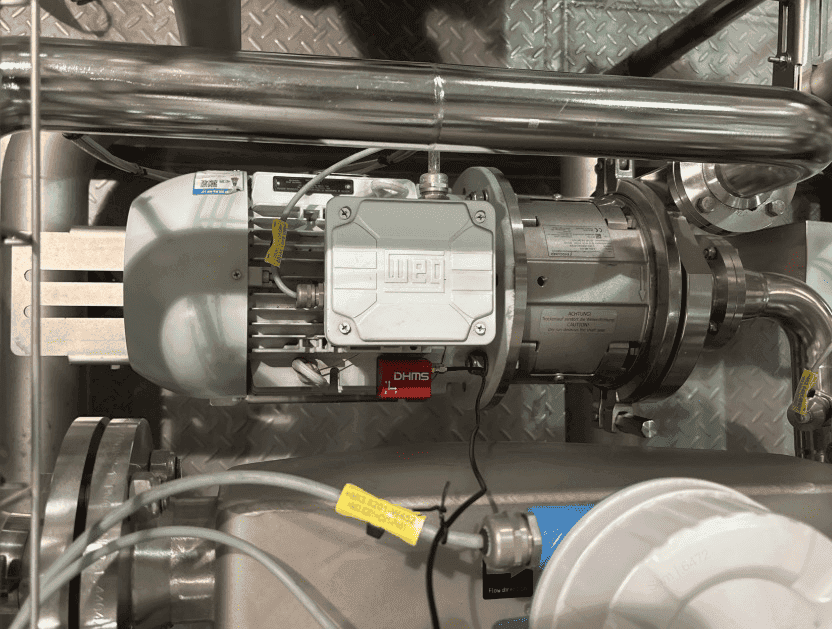
Monitored equipment and installation
Value
Higher OEE
The plant reported overall equipment effectiveness (OEE, how much of planned time a line makes good product) rising from 82.3% to 89.7%.
Repairs in 45 minutes
Mean time to repair fell from 3.5 hours to 45 minutes, and the response to an alert now comes within 8 minutes.
Maintenance done on time
Preventive-maintenance completion rose from 65% to 97%, and each line gained about 1,200 hours of running time a year, about 180 million more bottles.
Products and deployment
- Software ProductDHMSCare - AI Care Version
- Terminal ProductDHMSCare wireless vibration and temperature sensors and smart gateways
- Monitoring scopeMixing tanks, gearboxes, motors, pumps of all kinds and fans on the cola production lines
Related case studies
Explore plans and packages, or start with a trial.