
Predictive maintenance for steel plants
How can a steel plant stop rolling-mill, fan and pump failures from halting production?
DHMSCare monitors rolling-mill drives, flying shears, coilers, fans, pumps and air compressors.
Sintering equipment is covered too, with wireless vibration and temperature sensors.
The number of sensors depends on how many machines you cover, and we size it with you.
Its industrial AI agent catches early fault signs such as bearing wear.
It tells your team what to service before a machine stops production.
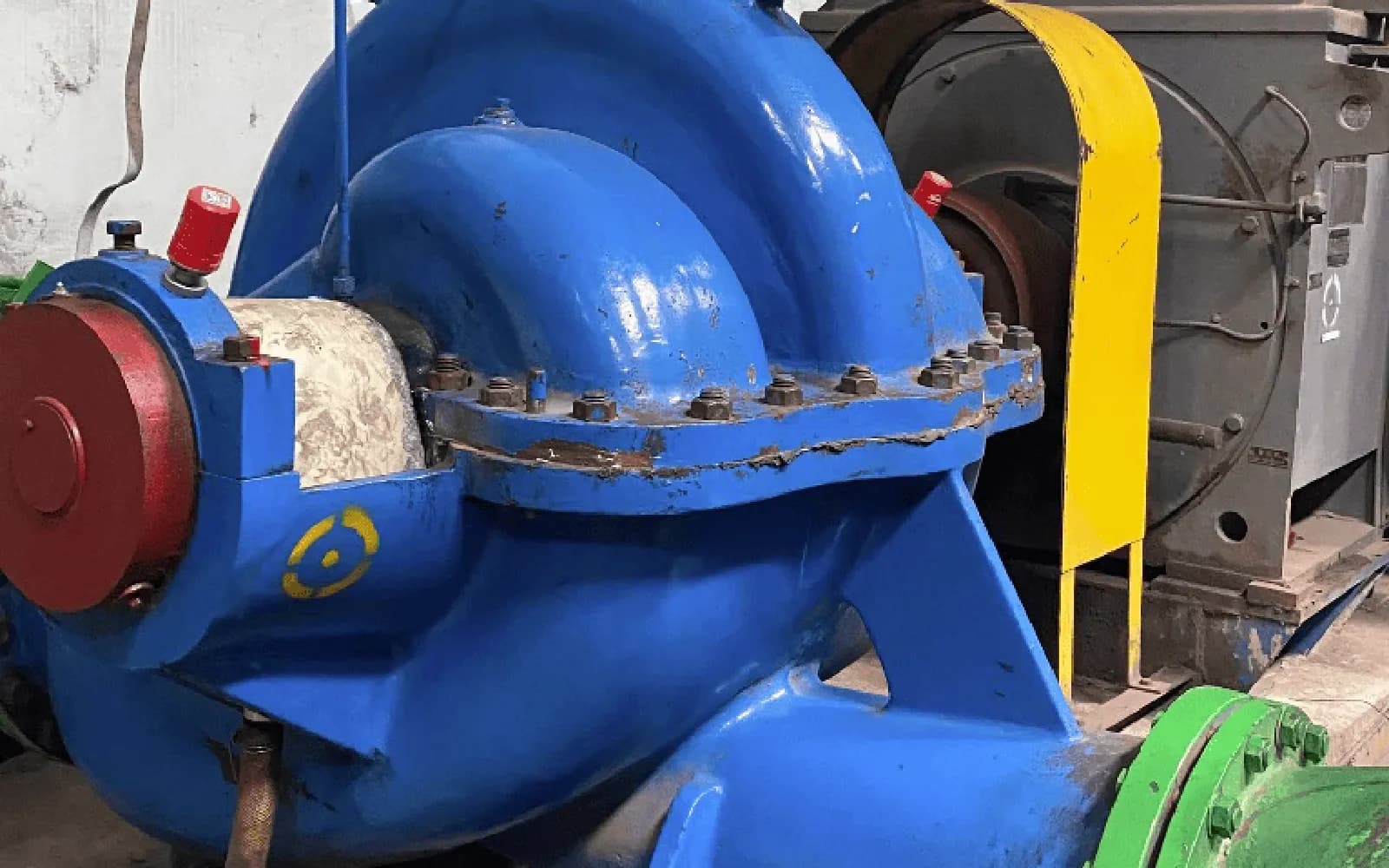
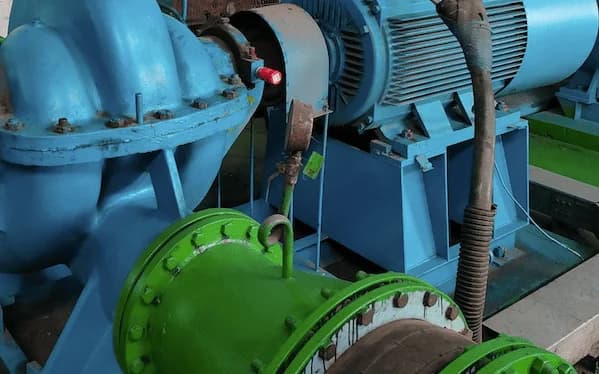
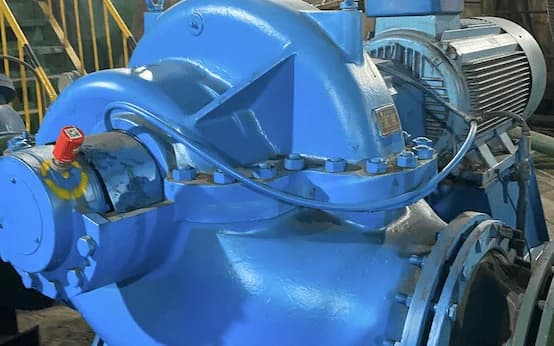
Industry challenges
Unplanned downtime breaks the continuity of steel production. Molten steel held up in equipment can solidify or develop defects.
Long inspection intervals mean early faults in bearings and pumps can go unnoticed until they stop a machine.
High temperature and heavy loads speed up the wear of key parts. Manual checks often miss the early changes.
Steel production runs continuously at high temperature, pressure and load. The stability of each machine directly affects product quality and production safety.
Quantifiable value
Monitoring solution
DHMSCare places sensors on the motors, gearboxes and bearing seats of rolling-mill drives, flying shears, coilers, fans, pumps, air compressors and sintering equipment.
Data reaches the platform through DHMSCare gateways, with DMG311 (4G) for areas without Wi-Fi, and the DT311 with an external antenna serves points inside enclosed metal structures.
DHMSCare gives its first diagnostic verdicts on the day the sensors are installed, then keeps refining each machine’s baseline as running data comes in.
Platform
DHMSCare uses AI to identify early fault signs such as gear wear and bearing anomalies, assess equipment health and provide maintenance recommendations.
Recommended measuring points and plan
What a typical production line needs, so you can see the whole plan before we talk.
| Asset | Suggested sensors | Measuring points (bearing seats) |
|---|---|---|
| Rolling-mill main drive (rough, finish and vertical-roll mills) | 4 | Main motor DE and NDE, gearbox input and output |
| Flying shear and coiler | 3 | Drive motor DE and NDE, gearbox output |
| Fan, including dust-removal fans | 4 | Drive motor DE and NDE, fan bearings DE and NDE |
| Pump | 4 | Motor DE and NDE, pump DE and NDE |
| Air compressor | 4 | Motor DE and NDE, compressor bearing seats |
| Sintering equipment (single-roll crusher, rotary mixer) | 5 | Drive motor DE and NDE, gearbox, roll or drum bearings |
| Gearbox (reducer) | 2 | Input and output shaft bearings |
| Caster roller-table drives (motor and reducer) | 4 | Drive motor DE and NDE, reducer input and output |
| Gateway · DMG310 | DMG310 | DMG311 (4G) where there is no Wi-Fi |
Actual quantities are confirmed on site
AI Care
The first plan with AI fault diagnostics, the AI that finds the gear wear and bearing anomalies behind these results.
Choose AI Care Plus for unlimited automatic diagnostics, remaining-life forecasts with Mina Ultra and 24 months data retention.
Smaller teams can start on Care: AI condition monitoring and daily reports with 10 user accounts, then move to AI Care when you need AI fault diagnostics.
Start with one line
The smallest sensible start, then grow line by line or roll out plant-wide.
Watch the machines you can least afford to stop.
You learn about faults days ahead.
All your lines, all sites, on one dashboard.
Tailored to your project's requirements.
Runs on your own servers or private cloud.
Contracted and delivered as a project.
Questions
We are a small or mid-sized company. Is this for us?
Yes. Start with one line and one gateway, subscribe per sensor per year, and begin on AI Care; Care if you only need condition monitoring.
How long does a one-line pilot take?
Installation follows the seven steps in our quick installation guide: create the equipment, mount the gateway, attach the sensors and bind the measuring points. We agree the pilot period with you by line size.
We have no vibration engineer. Can we still use it?
Yes. The AI identifies early fault signs, assesses equipment health and gives maintenance recommendations, and Mina tells you which machine to handle first and why.
Which equipment should a steel plant monitor first?
Start with the machines whose failure stops production: rolling-mill drives, flying shears and coilers, and the fans, pumps and air compressors that serve the line. Then add sintering equipment and other drives as you grow.
Can the sensors handle the heat and dust in a steel plant?
The DT310 works at ambient temperatures from −40 to 80 °C and on surfaces up to 100 °C, and it is rated IP69: dust-tight and protected against high-pressure, high-temperature water jets. Points hotter than that are not suitable for it, so we choose the measuring points with you.
Does the wireless signal work around heavy steel structures?
Yes, with the right model: the DHMSCare DT311 has an external antenna for machines inside metal enclosures, and the DR100 repeater fills signal dead zones. Plants with heavy steel structures often use both.
View all questions → Help center
Related case studies
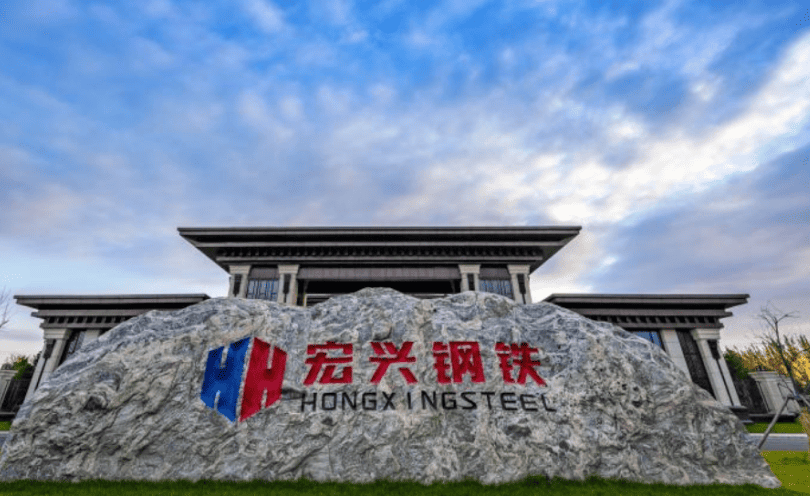
Hongxing Steel: monitoring rolling lines and sintering equipment
Qinhuangdao Hongxing Steel Co., Ltd. is a private steel group in Hebei, China, that combines sintering, ironmaking, steelmaking and rolling. DHMSCare monitors its vertical-roll, rough and finish rolling mills, flying shear, coiler, fans, water pumps, air compressors, sintering equipment and converter equipment.
- Rolling-line part failures can be cut by 90%
- Line efficiency can rise by 12%
- Maintenance costs can fall by 25%
Tell us the line and its critical assets; we size the sensors and the plan with you.