
Predictive maintenance for medical consumables plants
How do we keep consumables production lines running without unplanned stops?
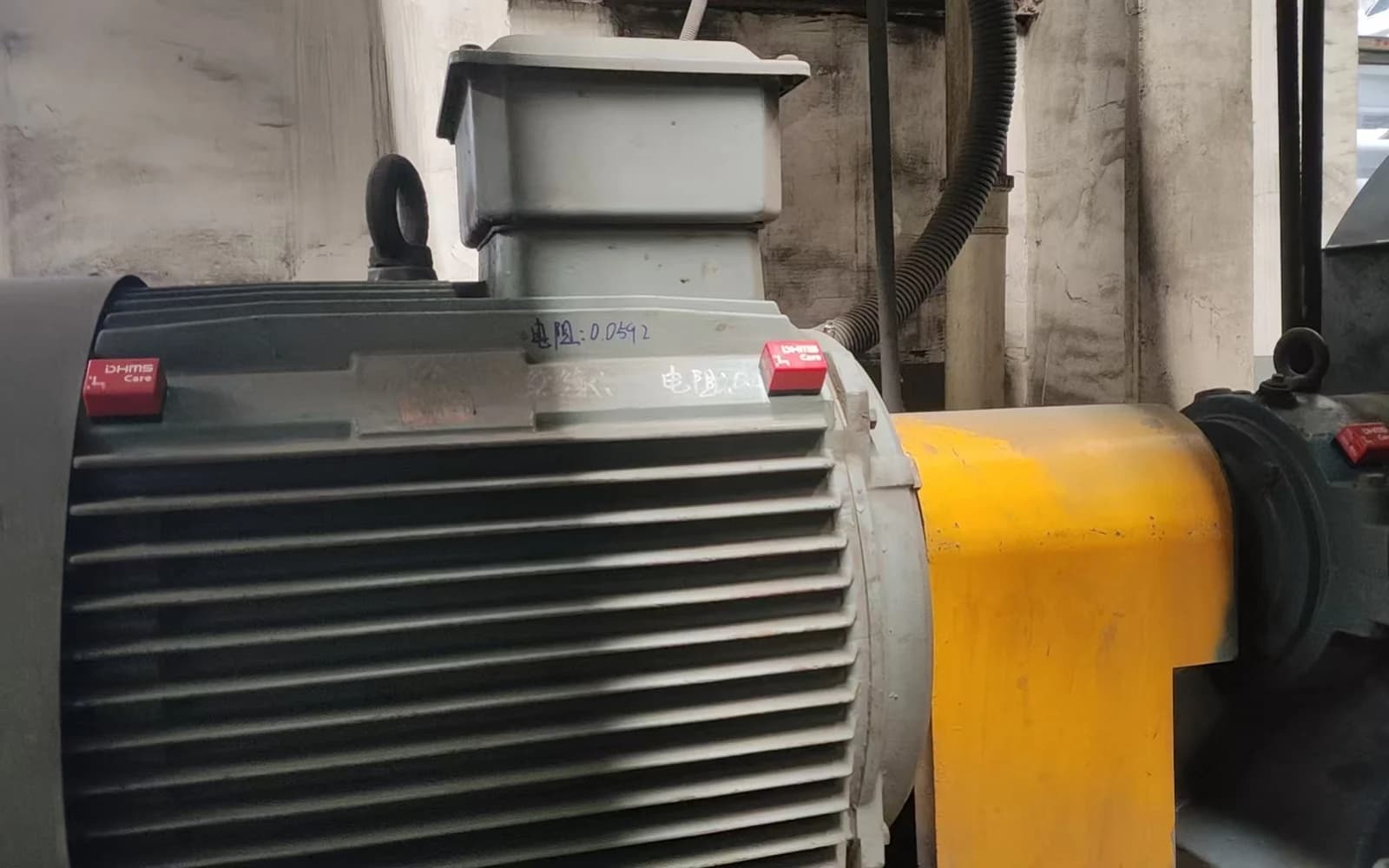
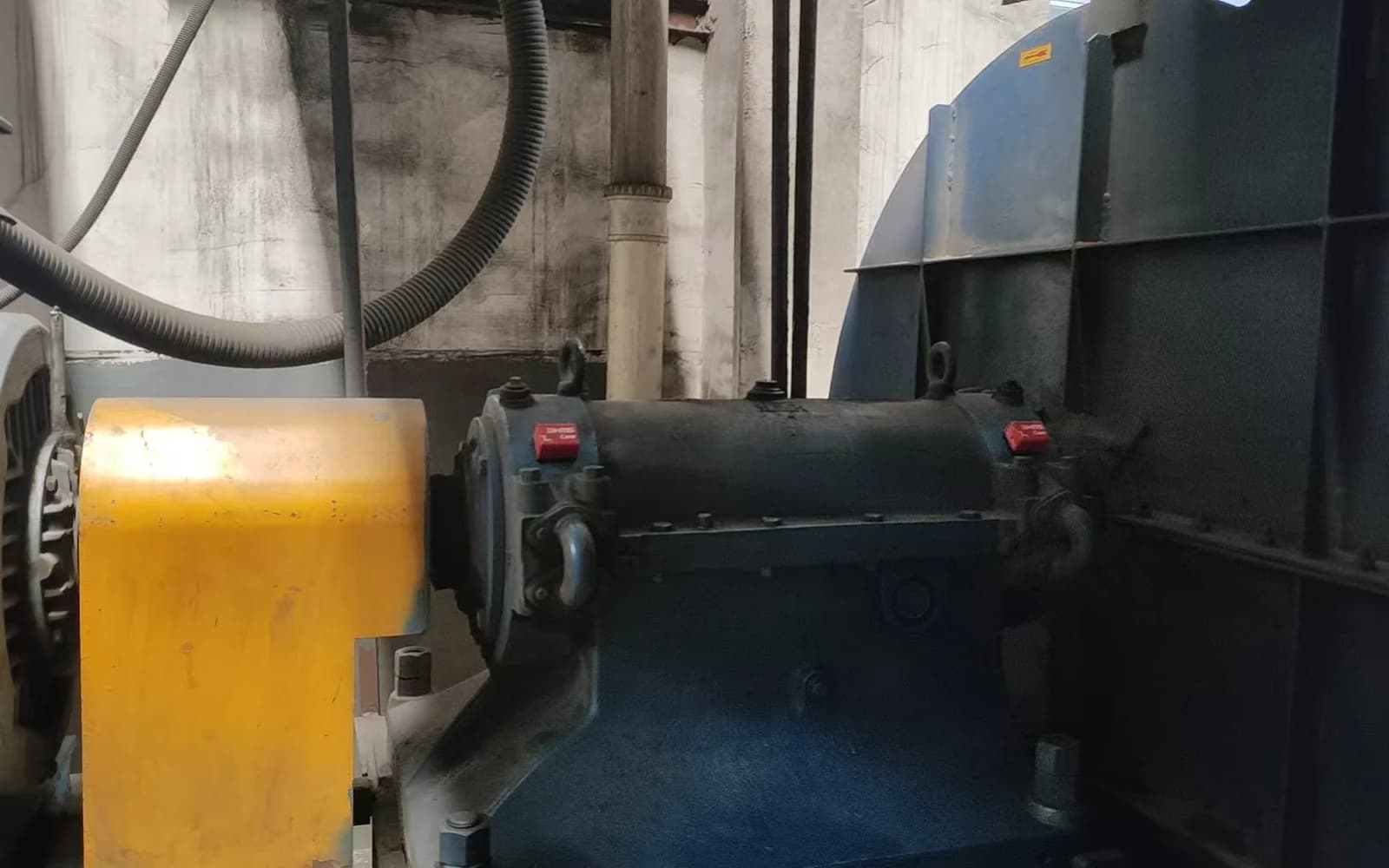
DHMSCare monitors the blower motors and bearing housings that keep medical consumables production running.
Wireless vibration and temperature sensors collect readings on a fixed cycle and compare each asset against its own baseline, so bearing anomalies are flagged before manual inspection finds them and maintenance follows the asset's condition.
Industry challenges
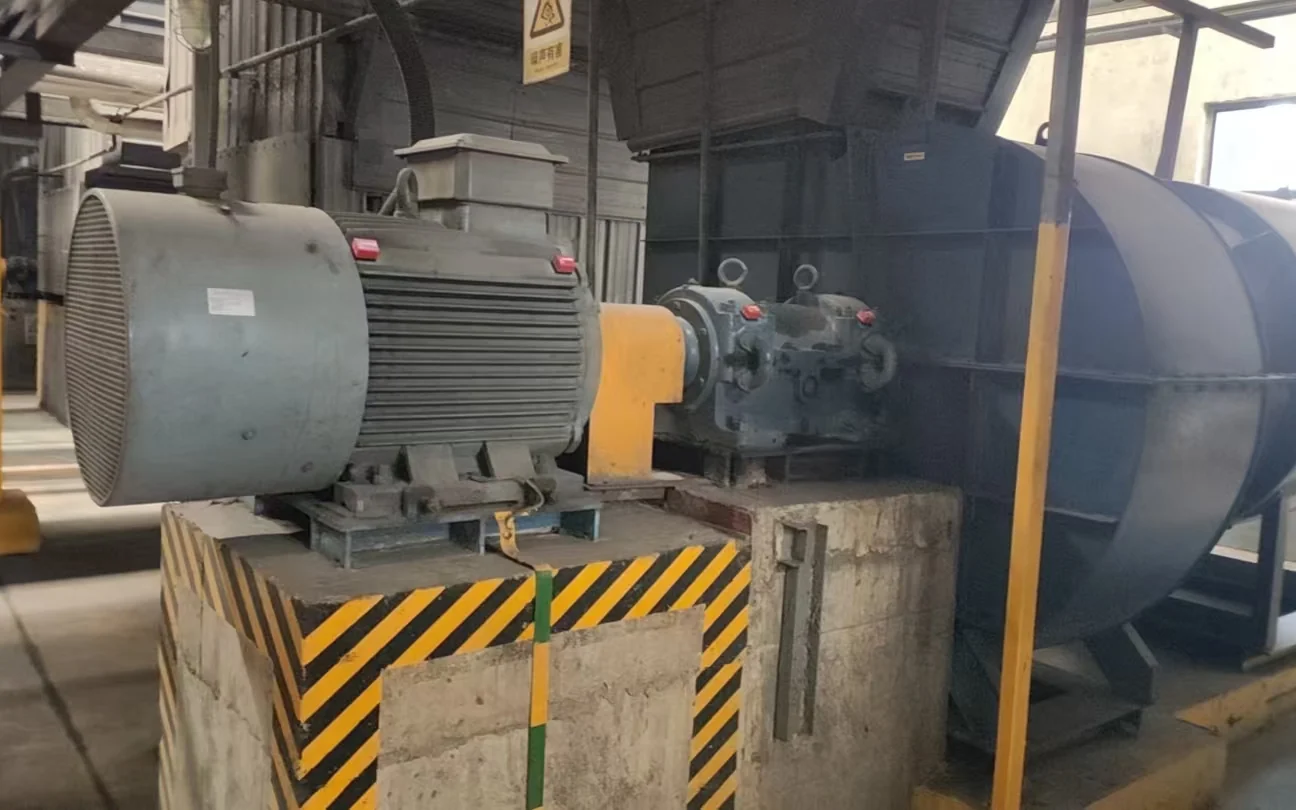
Furnace blowers keep the production line running continuously; any unplanned stop takes the line down.
Anomalies in blower motors and bearing housings develop quietly and are easily missed by periodic inspection.
A blower trip interrupts the line and turns maintenance from planned work into an urgent repair.
Without per-asset history, shift handover and maintenance planning rely on paper records.
Quantifiable value
Monitoring solution
Focus monitoring on the blower motors and bearing housings of production-line furnaces.
Wireless vibration and temperature sensors collect readings on a fixed cycle and compare each asset against its own baseline.
Platform
DHMSCare uses AI to identify early fault signs such as gear wear and bearing anomalies, assess equipment health and provide maintenance recommendations.
Recommended measuring points and plan
What a typical production line needs, so you can see the whole plan before we talk.
| Asset | Suggested sensors | Measuring points (bearing seats) |
|---|---|---|
| Furnace blower | 3 | Fan bearing housings and motor bearing seats (DE and NDE) |
| Air compressor | 3 | Motor bearing seats (DE and NDE) and compressor bearing seat |
| Circulation pump | 3 | Motor bearing seats (DE and NDE) and pump bearing seat |
| Exhaust fan | 3 | Motor bearing seats (DE and NDE) and fan bearing |
| Agitator | 3 | Motor bearing seats (DE and NDE) and reducer output bearing |
| Chiller | 3 | Motor bearing seats (DE and NDE) and compressor bearing seat |
Actual quantities are confirmed on site
AI Care
The first plan with AI fault diagnostics, the AI that finds the gear wear and bearing anomalies behind these results.
Choose AI Care Plus for unlimited automatic diagnostics, remaining-life forecasts with Mina Ultra and 24 months data retention.
Smaller teams can start on Care: AI condition monitoring and daily reports with 10 user accounts, then move to AI Care when you need AI fault diagnostics.
Start with one line
The smallest sensible start, then grow line by line or roll out plant-wide.
Watch the machines you can least afford to stop.
You learn about faults days ahead.
All your lines, all sites, on one dashboard.
Tailored to your project's requirements.
Runs on your own servers or private cloud.
Contracted and delivered as a project.
Questions
We are a small or mid-sized company. Is this for us?
Yes. Start with one line and one gateway, subscribe per sensor per year, and begin on AI Care; Care if you only need condition monitoring.
How long does a one-line pilot take?
Installation follows the seven steps in our quick installation guide: create the equipment, mount the gateway, attach the sensors and bind the measuring points. We agree the pilot period with you by line size.
We have no vibration engineer. Can we still use it?
Yes. The AI identifies early fault signs, assesses equipment health and gives maintenance recommendations, and Mina tells you which machine to handle first and why.
Which assets does DHMSCare monitor on a consumables line?
The rotating equipment that drives the line, starting with furnace blowers — their motors and bearing housings. Sensors are wireless vibration and temperature units mounted on the equipment exterior, and more assets can be added at any time.
Can the plant add more assets later?
Yes. Start with one gateway and a few blowers; additional sensors bind to the platform the same way, one per measuring point.
Tell us the line and its critical assets; we size the sensors and the plan with you.